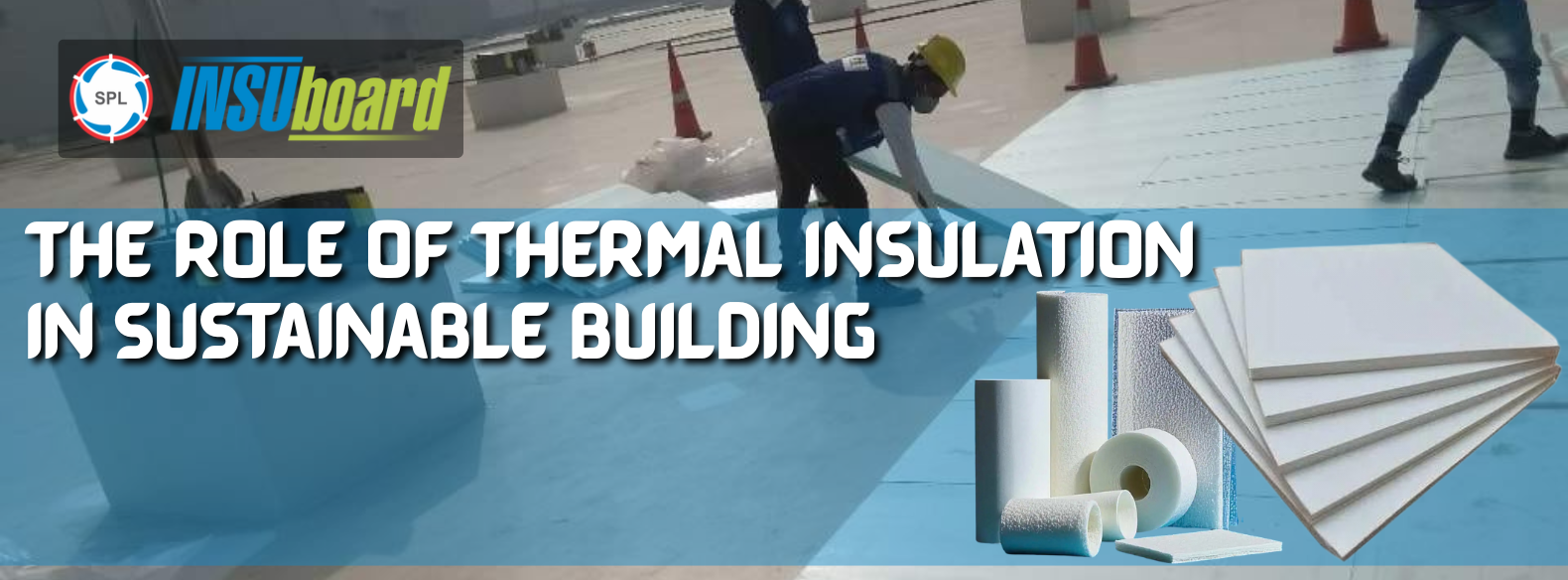
The Role of Thermal Insulation in Sustainable Building
Thermal insulation plays a key role in meeting the performance criteria of green building frameworks such as energy efficiency ratings and sustainable construction guidelines....
As the world moves toward more eco-friendly construction practices, sustainable building has become a priority rather than a trend. One of the most important yet often overlooked elements in sustainable construction is thermal insulation. When used correctly, thermal insulation not only improves comfort inside a building but also plays a major role in reducing energy consumption and environmental impact.
In this blog, we explore how thermal insulation supports sustainable building and why it is a smart, long-term investment.
Why Thermal Insulation Is the Backbone of Sustainable Buildings
Sustainable buildings aim to minimize energy use while maximizing comfort and durability. Thermal insulation helps achieve this balance by controlling heat flow between indoor and outdoor environments. By reducing unwanted heat gain in summer and heat loss in winter, insulated buildings rely less on air conditioners, heaters, and other energy-intensive systems.
This reduced energy demand directly lowers carbon emissions, making thermal insulation a key contributor to environmentally responsible construction.
Energy Efficiency That Lasts for Years
Unlike many building components that require frequent upgrades, quality thermal insulation works silently for decades. Once installed properly, it continuously maintains stable indoor temperatures without consuming power.
For residential buildings, this means lower electricity bills and improved living comfort. For commercial and industrial spaces, it results in reduced operational costs and better working conditions, both essential for sustainable development.
Enhancing Comfort and Indoor Living Quality
Sustainability is not just about saving energy; it’s also about creating healthier spaces. Thermal insulation helps eliminate temperature fluctuations, cold spots, and excessive heat buildup. It also assists in moisture control, reducing the risk of condensation and mold growth.
A well-insulated building feels comfortable throughout the year, regardless of external weather conditions.
Supporting Green Building Standards
Many green building certifications and sustainability guidelines emphasize the importance of thermal insulation. Proper insulation helps projects meet energy-efficiency benchmarks, making them compliant with modern environmental standards.
Using reliable insulation materials, such as high-performance XPS boards offered by Shiv Sons, ensures consistency, durability, and long-term thermal performance.
Long-Term Environmental Impact
By lowering energy demand, thermal insulation reduces the load on power plants and fossil fuel consumption. Over time, this results in fewer greenhouse gas emissions and a smaller carbon footprint.
In sustainable building design, insulation is not an added feature - it’s a foundational element that supports environmental responsibility from day one.
Final Words
Thermal insulation is a powerful tool in creating sustainable, energy-efficient buildings that benefit both people and the planet. From reducing energy costs to enhancing comfort and supporting green construction goals, its role cannot be overstated.
Looking to upgrade your building with reliable thermal insulation solutions?
Connect with Shiv Sons at xpsboard and build a smarter, more sustainable future today.
Frequently Asked Questions (FAQs)
Q: What Is Thermal Insulation, and Why Is It Important?
Thermal insulation is a material or system that limits heat transfer between spaces. It is important because it helps maintain comfortable indoor temperatures, reduces energy consumption, and supports environmentally sustainable building practices.
Q: When Should You Consider Upgrading Your Thermal Insulation?
You should consider upgrading thermal insulation if your building experiences high energy bills, inconsistent indoor temperatures, or if the insulation is outdated or damaged. Renovations and energy-efficiency upgrades are also ideal times to improve insulation.
Q: Where to Use Thermal Insulation for Maximum Efficiency?
Thermal insulation is most effective when used in walls, roofs, terraces, floors, basements, and industrial areas such as cold storage units. Strategic placement ensures minimal heat transfer and maximum energy savings.
Q: Why Invest in Quality Thermal Insulation?
Investing in quality thermal insulation ensures long-term performance, durability, and consistent thermal control. High-grade materials provide better resistance to moisture, compression, and temperature extremes, delivering greater value over time.
Q: How Does Thermal Insulation Work?
Thermal insulation works by slowing down the movement of heat. It uses materials with low thermal conductivity that trap air or create barriers, preventing heat from entering or escaping a building.