How to Insulate Interior Walls with Insulation Board
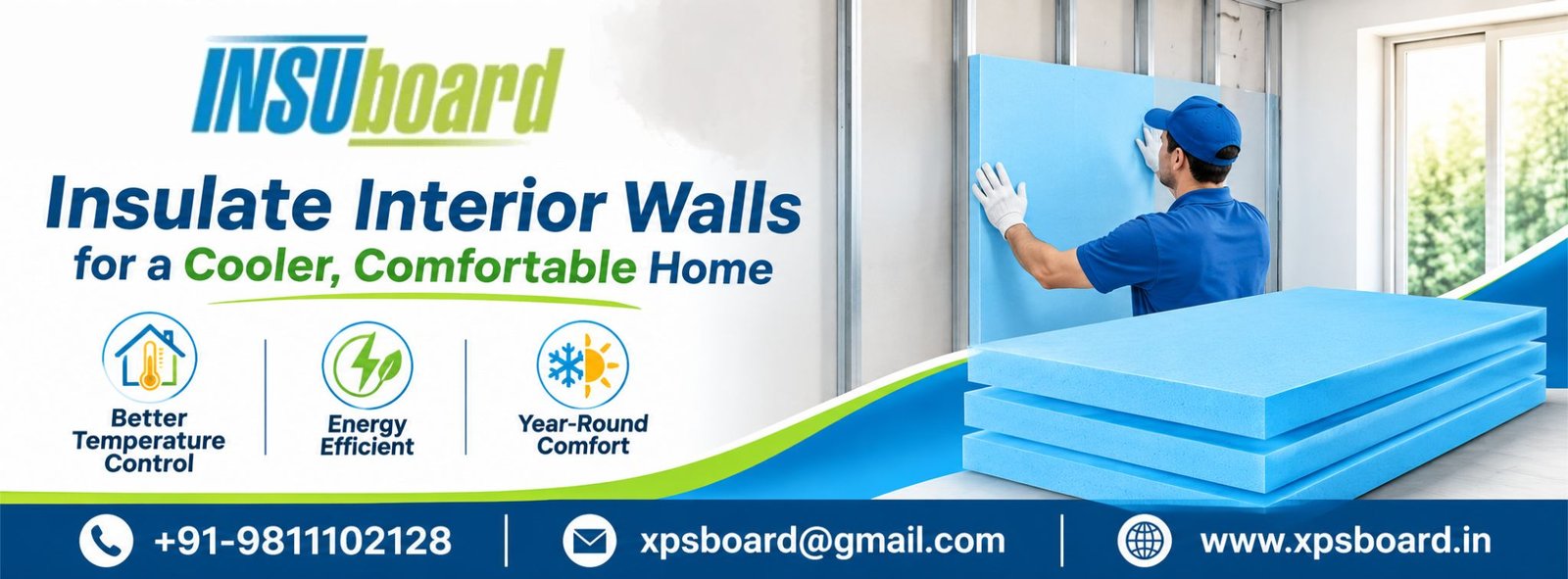

Shiv Sons
Interior wall insulation is a choice to make your home more comfortable. It helps stop heat from moving out, which means you stay warmer in winter and cooler in summer. This leads to energy bills and a more energy-efficient building. Whether you are working on a house, building a new one or upgrading a business space, adding insulation boards to interior walls can make a big difference.
When you install insulation boards, the wall becomes a barrier against outside temperatures. This keeps the environment more stable all year round. Getting good results depends on a few important steps. You need to pick the kind of insulation board, prepare the wall surface properly, fix the boards securely and finish the surface in a way that looks good and lasts.
This guide walks you through the process of insulating interior walls with insulation boards. It covers what materials you need, how to install them step by step, what the benefits are and the best ways to finish the surface. It also points out mistakes people make so you can avoid them and get the best results.
What Is Interior Wall Insulation?
Interior wall insulation means putting insulation materials on the inside side of a wall. Interior wall insulation helps stop heat from moving from inside to outside or from one room to another.
Insulation boards make a barrier that slows heat moving through the wall. Interior wall insulation is very helpful in buildings where it's hard to put insulation on the outside, where renovation work is happening inside or where people want better control of room temperature.
You can use insulation materials on interior walls, such as XPS boards, EPS boards, mineral wool and other rigid or flexible products. Interior wall insulation needs the material depending on the building design, the insulation needs, the space that is available and how it will be installed.
Why Use Wall Insulation Board Inside a Building?
Installing a wall insulation board can provide several practical advantages for residential, commercial and industrial buildings.
1. Better Indoor Temperature Control
Interior insulation helps reduce heat transfer through walls. During hot weather, it can reduce the amount of external heat entering the building, while in colder conditions it can help limit heat loss.
This can make rooms more comfortable throughout different seasons.
2. Improved Energy Efficiency
When indoor temperatures remain more stable, air-conditioning and heating systems may not need to operate as frequently or as intensively to maintain the desired temperature.
Depending on the building, climate, insulation thickness and installation quality, this may help reduce energy consumption.
3. Comfortable Living and Working Spaces
Thermal insulation can help reduce uncomfortable temperature differences between wall surfaces and indoor air. This is particularly useful in bedrooms, offices, conference rooms and other spaces where consistent indoor comfort matters.
4. Suitable for Renovation Projects
Interior insulation can be installed without changing the external appearance of a building. This makes it a practical option for older buildings, apartments, offices and properties where exterior modifications are restricted.
5. Multiple Application Options
Wall insulation boards can be used in residential buildings, commercial facilities, hotels, hospitals, schools, warehouses and industrial premises, depending on the insulation system and project specifications.
Which Insulation Board Is Suitable for Interior Walls?
Choosing the correct insulation material is an important step before beginning installation.
XPS Insulation Board
Extruded Polystyrene (XPS) insulation board is a rigid insulation material manufactured through an extrusion process. Its closed-cell structure provides thermal insulation and resistance to water absorption.
XPS boards are commonly used for wall, roof and floor insulation applications. Their lightweight construction makes them easier to handle, cut and position during suitable installation work.
For interior wall applications, XPS insulation boards can be considered where the project requires thermal insulation, moisture resistance and a rigid board format.
EPS Insulation Board
Expanded Polystyrene (EPS) boards are another option for thermal insulation. They are lightweight and used in several building insulation applications. Their performance, density and suitability depend on the selected grade and construction system.
Mineral Wool Insulation
Mineral wool insulation is commonly used where thermal insulation and sound-related performance are important considerations. It is generally installed using a suitable supporting framework or wall system.
The final material selection should be based on building requirements, fire safety, moisture conditions, thermal performance and the intended wall finish.
Materials and Tools Required for Interior Wall Insulation
Before beginning installation, prepare the materials and tools required for the selected insulation system.
- Suitable wall insulation boards
- Compatible insulation adhesive or fixing system
- Mechanical fasteners, where specified
- Measuring tape
- Straightedge or level
- Cutting tool suitable for insulation boards
- Marking pencil
- Joint sealing tape or compatible sealant
- Supporting framework, if required
- Reinforcement mesh and finishing materials, if specified
- Gypsum board or another approved protective finish
- Personal protective equipment
Always check the insulation manufacturer's installation recommendations before selecting adhesives, fasteners, tapes or finishing materials.
Step-by-Step Guide to Insulating Interior Walls with Insulation Board
Step 1: Inspect the Existing Wall
Begin by examining the wall that needs insulation. Check for cracks, loose plaster, water leakage, damp patches, mould growth and uneven surfaces.
Any moisture-related problem should be identified and corrected before installing insulation. Covering a damp wall without resolving the underlying issue may lead to concealed moisture damage or mould-related problems.
The wall should be structurally sound and suitable for the proposed insulation system.
Step 2: Clean and Prepare the Surface
Remove dust, dirt, loose paint, peeling plaster and other materials that could affect adhesion or fixing.
If the wall is uneven, repair or level the surface according to the requirements of the installation system. A clean and properly prepared surface helps insulation boards sit more securely and reduces the possibility of gaps.
Allow repair materials to dry or cure as recommended before proceeding.
Step 3: Measure the Wall Area
Measure the height and width of the wall to determine the total insulation coverage required.
Identify the locations of:
- Doors and windows
- Electrical outlets and switches
- Pipes and service connections
- Corners and wall intersections
- Areas requiring special cutting or fitting
Accurate measurements help reduce material wastage and ensure that insulation boards can be fitted properly.
Step 4: Select the Correct Board Thickness
The thickness of a wall insulation board should be selected according to the desired thermal performance, available interior space, climate, wall construction and project requirements.
Thicker insulation generally offers greater thermal resistance when the material's thermal conductivity remains the same. However, selecting the thickest board is not always practical because it may reduce usable room space or create difficulties around doors, windows and electrical fittings.
Consult the project specifications or an insulation professional to determine the appropriate thickness.
Step 5: Cut the Boards to the Required Dimensions
Mark the measurements on the insulation boards before cutting.
Cut boards carefully to fit wall sections, corners, window openings, door frames and other obstructions. Accurate cutting helps reduce gaps between boards and improves the continuity of the insulation layer.
Use suitable tools and follow the manufacturer's handling and safety instructions.
Step 6: Apply the Appropriate Fixing System
Depending on the wall surface and insulation system, boards may be installed using compatible adhesive, mechanical fasteners or a combination of both.
For direct-fixing applications, the adhesive must be suitable for the insulation material and substrate. For framework-based systems, the boards should be positioned and supported according to the system design.
Do not use ordinary construction adhesive without confirming that it is compatible with the insulation board.
Step 7: Position the Insulation Boards
Place the boards against the prepared wall, ensuring that they are correctly aligned and securely fixed.
Keep the joints between adjacent boards tight and avoid unnecessary gaps. Where the installation system recommends staggered joints, position boards accordingly to reduce continuous joint lines.
Check alignment as the work progresses to prevent uneven surfaces and installation errors.
Step 8: Seal Board Joints and Gaps
Inspect the joints between the installed insulation boards, including corners, edges and areas around openings.
Use compatible sealing tapes, sealants or other joint treatments recommended for the selected system. Proper joint treatment helps maintain a continuous insulation layer and reduces unwanted air movement through gaps.
Avoid excessive use of incompatible materials that may damage the insulation or affect the final finish.
Step 9: Install the Protective and Finishing Layer
Insulation boards should not automatically be left exposed inside occupied buildings. Depending on the product and building regulations, an approved protective layer may be required.
Possible finishing systems include:
- Gypsum board installed over a suitable supporting system
- Reinforced coating systems designed for insulation boards
- Other approved wall finishing assemblies
The protective finish should meet the relevant fire safety and building requirements. XPS is a combustible material, so the complete interior insulation assembly must be designed and protected in accordance with applicable fire safety regulations.
Step 10: Complete the Final Inspection
Once installation and finishing are complete, inspect the wall for:
- Uneven board alignment
- Visible gaps
- Poorly sealed joints
- Loose fixing points
- Damaged insulation
- Incomplete finishing around openings
- Unprotected insulation surfaces
A proper final inspection helps identify problems before the wall is painted, decorated or brought into regular use.
How to Finish an Interior Wall After Installing Insulation Boards
Finishing is an important part of interior insulation because it protects the insulation and creates a suitable surface for interior use.
Gypsum Board Finish
Gypsum board is commonly used to create a smooth interior wall surface over an appropriate insulation installation system. It can be installed using a suitable framework or approved assembly.
Reinforced Surface Finish
Some insulation systems use a reinforcement mesh embedded in a compatible base coat, followed by an additional finishing layer. This method should only be used where the complete system is designed for that application.
Paint and Decorative Finish
The final wall surface may be painted or decorated once the finishing layer has been properly installed, dried and prepared. The paint or coating should be compatible with the selected finish.
Common Mistakes to Avoid During Interior Wall Insulation
Installing Boards on Damp Walls
Insulation should not be used to hide existing water leakage, dampness or mould. Resolve the moisture source before installation.
Leaving Gaps Between Boards
Gaps may reduce insulation continuity and allow unwanted heat movement or air leakage. Cut boards accurately and seal joints using compatible materials.
Choosing the Wrong Board Thickness
Selecting a board without considering thermal requirements and available room space can lead to poor planning. Choose thickness based on project-specific requirements.
Using Incompatible Adhesives
Some adhesives and solvents may damage rigid foam insulation. Use products specifically approved for the selected insulation board.
Ignoring Fire Safety Requirements
Interior insulation systems must comply with relevant fire safety requirements. Rigid foam insulation may require a suitable protective covering, and exposed insulation should not be assumed to be acceptable.
Neglecting Electrical and Plumbing Services
Plan around switches, outlets, wiring, pipes and other services before installing insulation. Modifications to electrical installations should be completed by qualified professionals.
Treating Insulation as a Waterproofing Solution
Although XPS insulation boards offer moisture resistance, they do not replace waterproofing membranes, leak repairs or a properly designed moisture-management system.
Where Can Interior Wall Insulation Boards Be Used?
Wall insulation boards can be considered for a range of buildings and spaces.
|
Application |
Purpose of Insulation |
|
Residential homes |
Improve indoor temperature comfort |
|
Apartments |
Support thermal insulation during renovation |
|
Offices |
Improve indoor working conditions |
|
Hotels |
Support temperature control in guest rooms |
|
Hospitals |
Help maintain comfortable indoor environments |
|
Schools and colleges |
Improve comfort in classrooms and facilities |
|
Industrial buildings |
Support thermal insulation requirements |
|
Warehouses |
Assist with temperature management, depending on building use |
The required insulation system will vary depending on the construction, climate, occupancy and performance requirements of each building.
Why Choose XPS Wall Insulation Boards?
XPS wall insulation boards are made for uses where heat blocking, water protection, light weight and easy handling matter.
The closed‑cell design of XPS wall insulation boards limits water soak and the firm board shape lets XPS wall insulation boards be cut and set in place for insulation jobs.
XPS wall insulation boards can be used in walls, outside walls, cavity walls and other suitable jobs, depending on the grade of XPS wall insulation boards and how they are installed.
When choosing XPS wall insulation boards, buyers and contractors should compare heat blocking power, thickness, weight per volume, crush resistance, the job for which XPS wall insulation boards are meant and the installation needs, of trusting only one specification.
XPS Board – Wall Insulation Solutions by Shiv Sons
Shiv Sons, through XPS Board, supplies INSUboard insulation products for wall, roof and flooring applications. The wall-grade insulation boards are made for walls, exterior walls, cavity wall insulation and suitable insulation finishing systems.
The company provides insulation solutions for residential, commercial and industrial construction needs. Wall-grade INSUboard is positioned for projects where insulation, lightweight handling and moisture resistance really matter.
For renovation and new construction projects, choosing a wall insulation board and following the correct installation method can help improve building thermal performance and indoor comfort.
Conclusion
Insulating walls with insulation board is a practical way to improve indoor comfort and reduce unwanted heat transfer through building walls. From inspecting the wall surface and selecting the insulation thickness to fixing boards, sealing joints and applying a protective finish, every step contributes to the effectiveness of the insulation system.
XPS wall insulation boards offer a combination of thermal insulation, moisture resistance and lightweight handling for suitable building applications. However, the correct product, fixing method and protective finish should always be selected according to project requirements and applicable building regulations.
Proper planning and installation can help make interior wall insulation a valuable improvement for both buildings and renovation projects.
FAQs
How do you insulate an interior wall with insulation board?
First, inspect and prepare the wall surface. Measure the wall, select the suitable insulation board thickness, cut the boards accurately, fix them using a compatible installation system, seal joints and apply an approved protective finishing layer.
Which insulation board is best for interior walls?
XPS, EPS and mineral wool are among the materials used for interior wall insulation. The best choice depends on thermal requirements, moisture conditions, fire safety, available space and the construction method.
Can XPS insulation boards be installed on interior walls?
Yes. XPS insulation boards can be used for interior wall insulation in suitable building systems. The installation should follow product recommendations and applicable fire safety and building requirements.
Does wall insulation board help keep rooms cooler in summer?
Wall insulation boards can reduce heat transfer through walls, helping limit heat entering indoor spaces during hot weather. Actual results depend on insulation thickness, wall construction, climate and installation quality.
What thickness of wall insulation board should I use?
The appropriate thickness depends on the required thermal performance, climate, existing wall construction and available interior space. It is advisable to select thickness according to project specifications rather than choosing arbitrarily.
Can insulation boards be installed directly on walls?
Some insulation systems allow direct fixing using compatible adhesives or mechanical fasteners, while others require a supporting framework. The correct installation method depends on the substrate and the insulation system being used.
Do interior wall insulation boards need covering?
Many rigid foam insulation products require a suitable protective covering, particularly for interior applications. The finishing system should comply with the product's requirements and applicable fire safety regulations.
Can wall insulation boards reduce electricity consumption?
Thermal insulation may reduce the workload of air-conditioning or heating systems by limiting unwanted heat transfer. Potential energy savings depend on building design, climate, usage and the overall insulation quality.
Are XPS insulation boards moisture-resistant?
XPS boards have a closed-cell structure and generally offer low water absorption. However, they are not a replacement for waterproofing systems or repairs to water leakage and dampness.
Where can wall insulation boards be used?
Wall insulation boards can be used in homes, offices, hotels, hospitals, schools, factories, warehouses and other buildings where thermal insulation is required, subject to the suitability of the selected product and system.