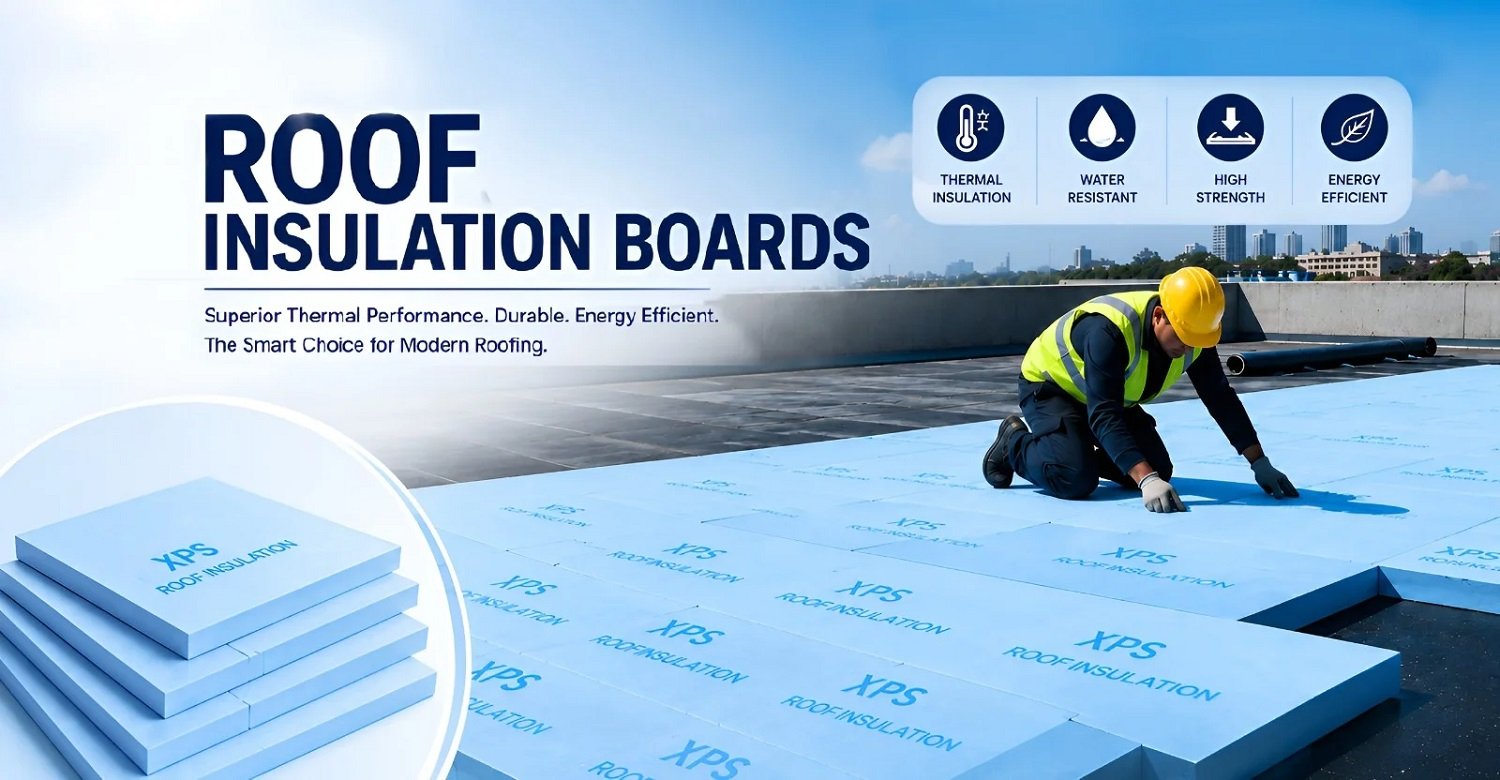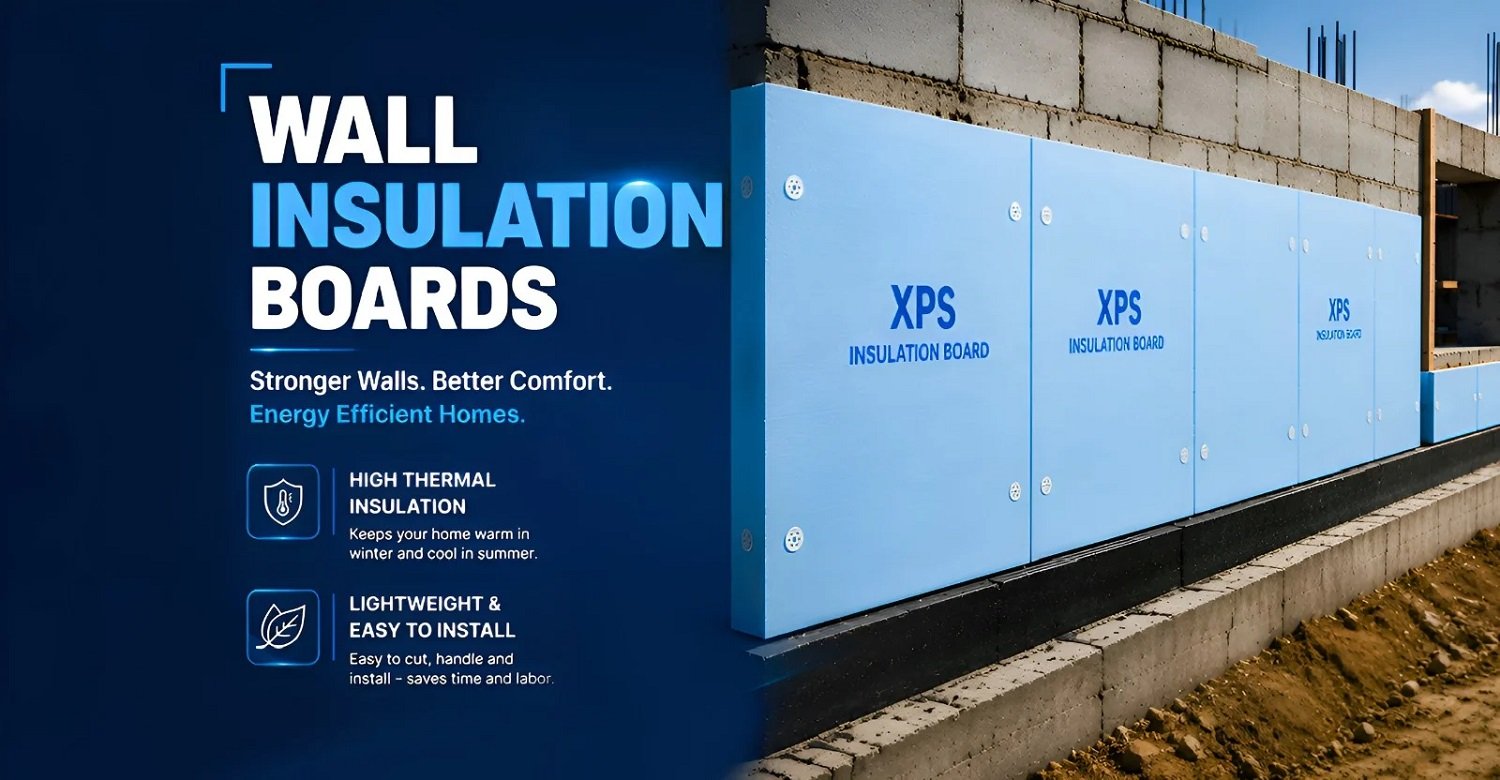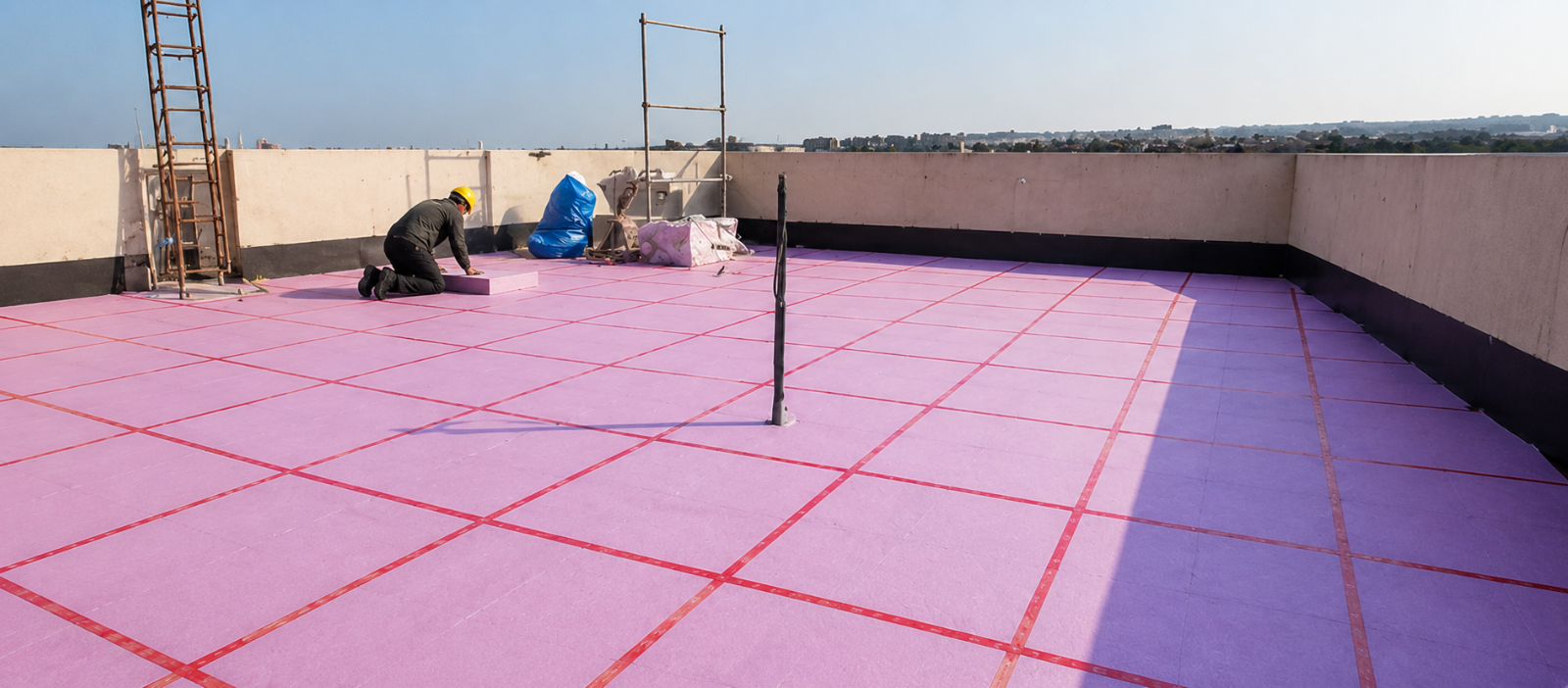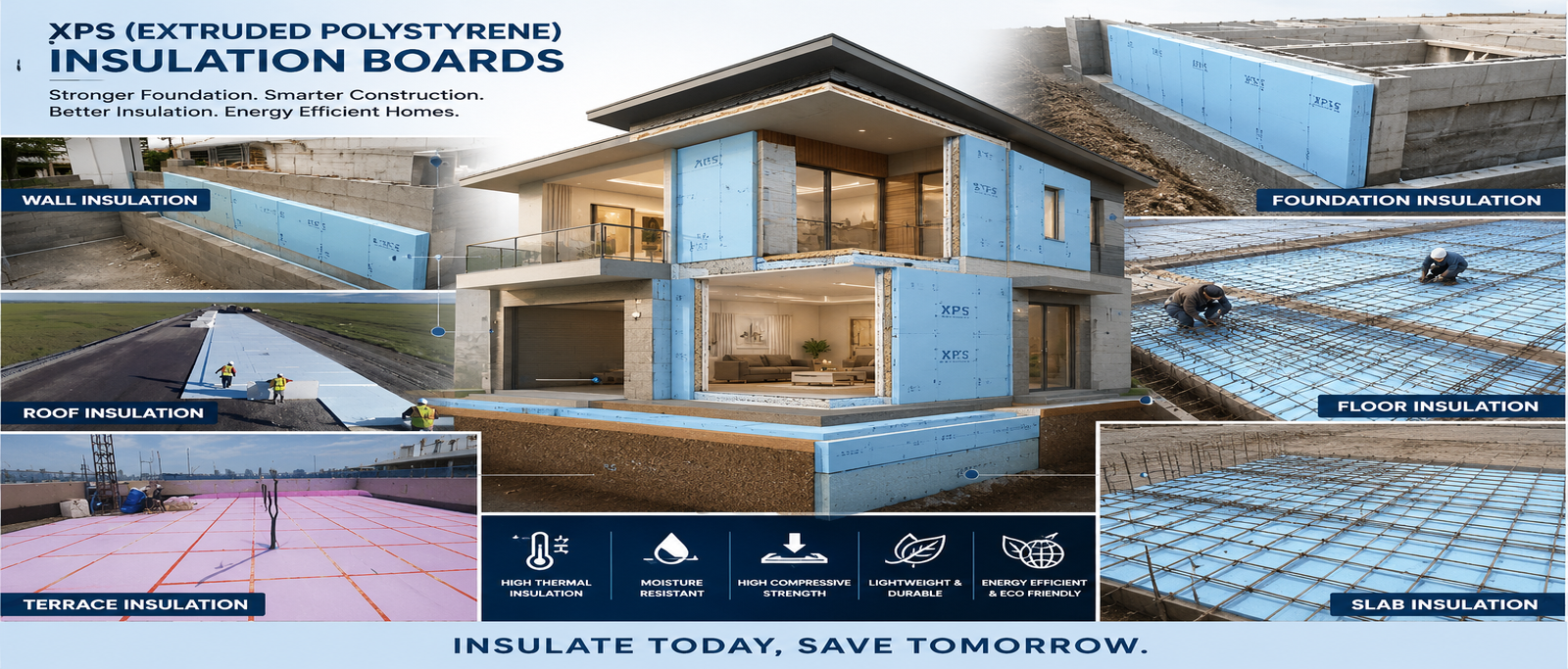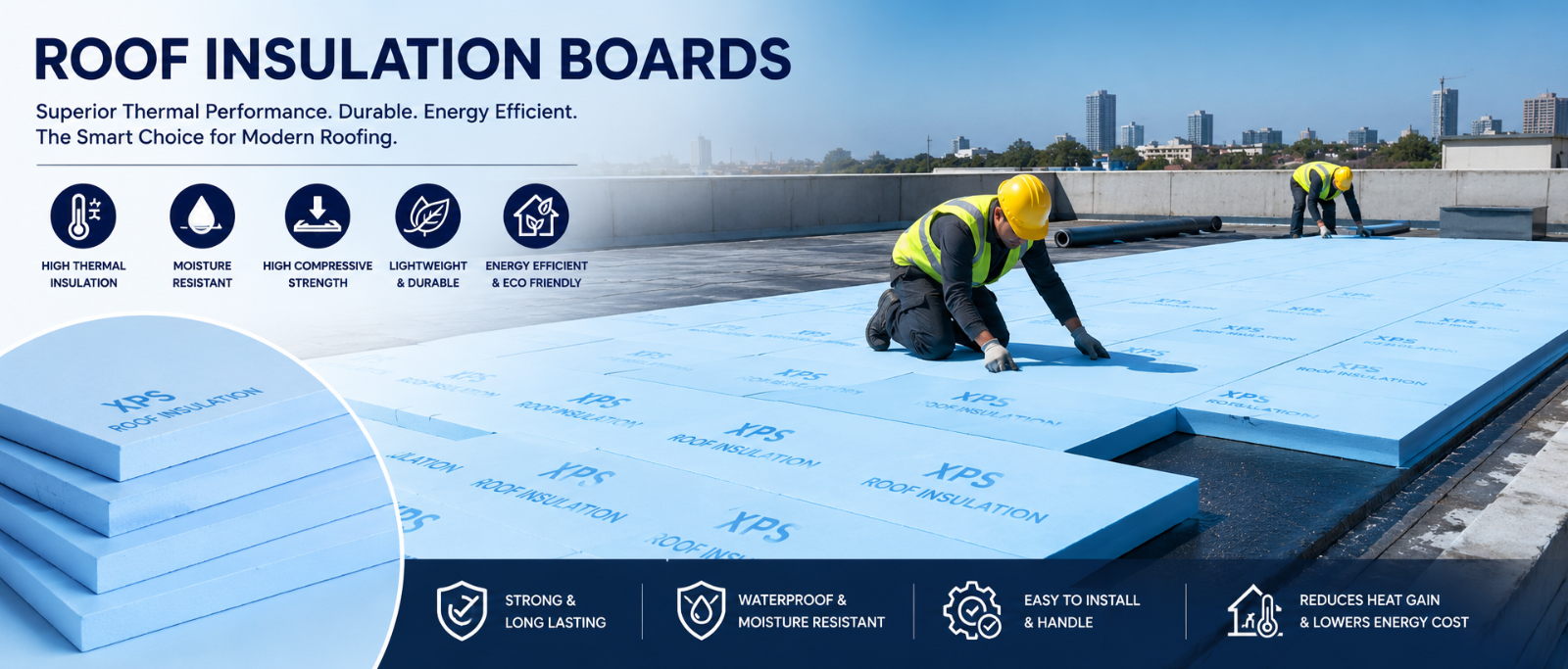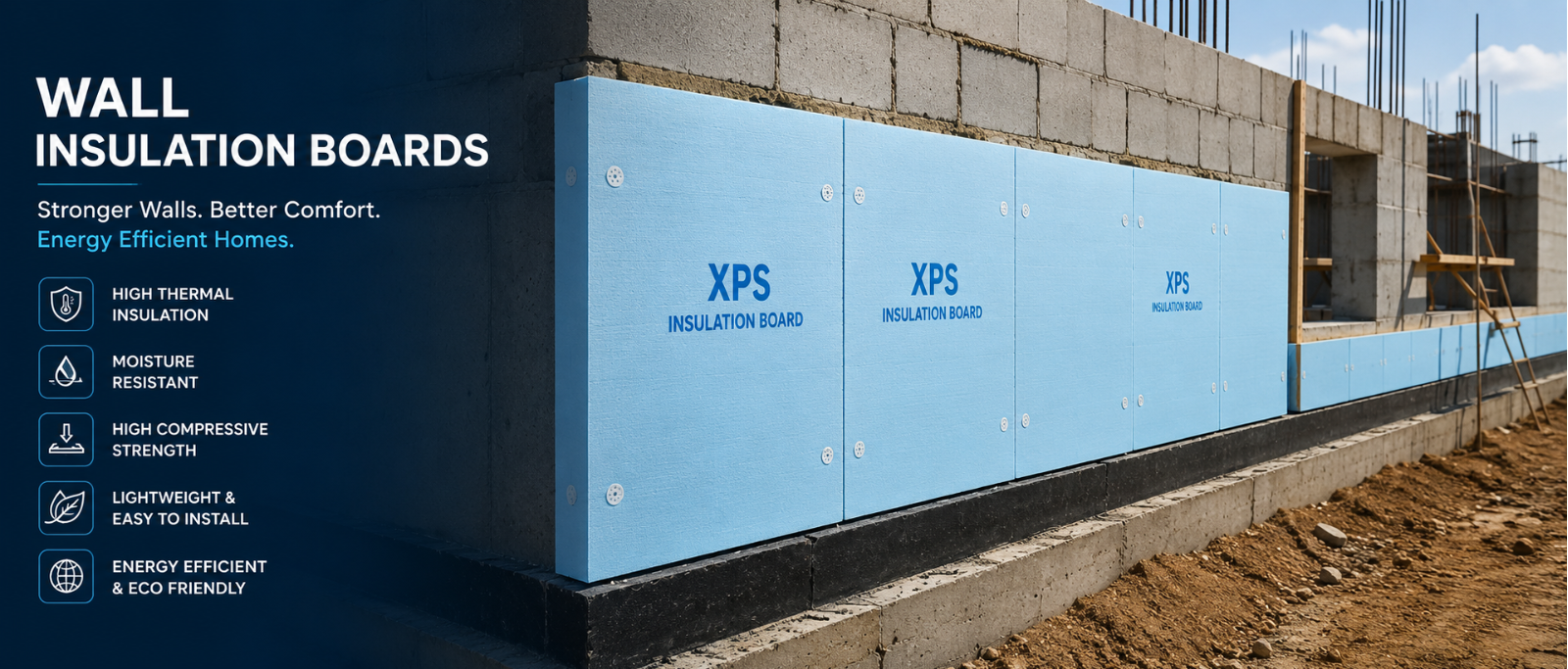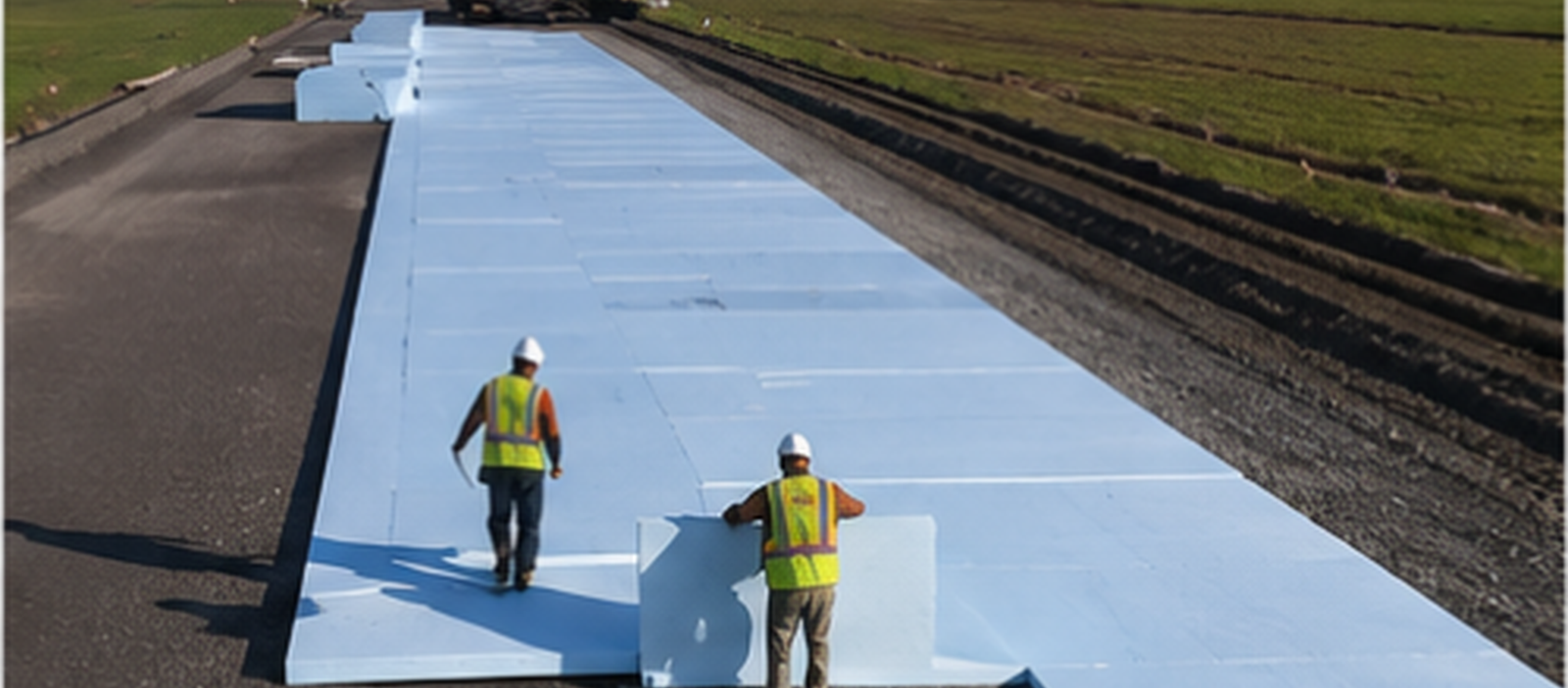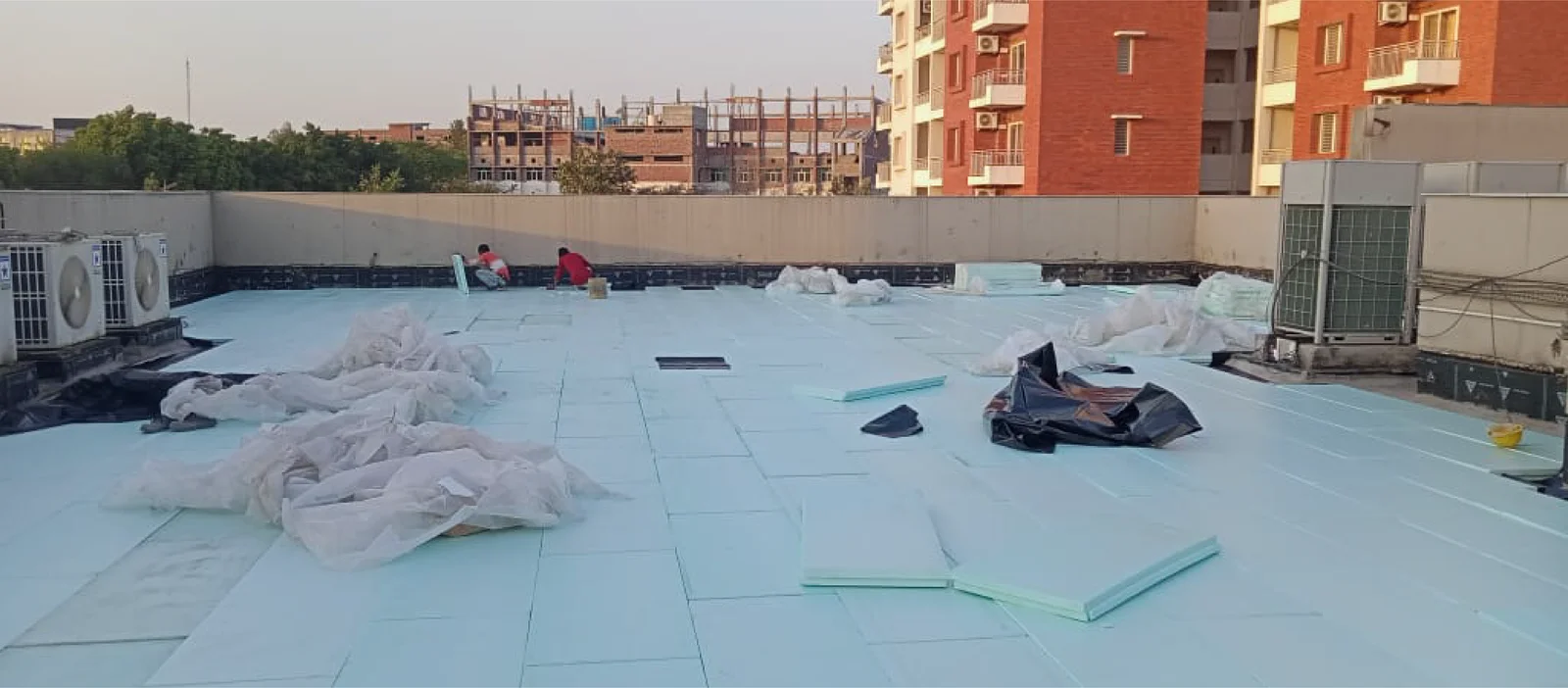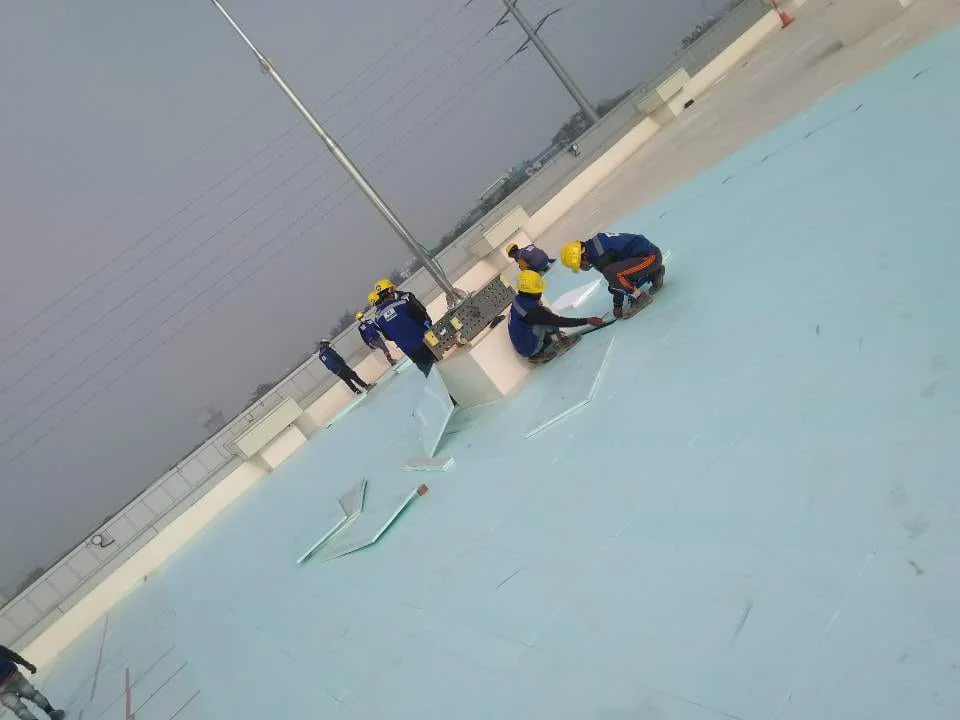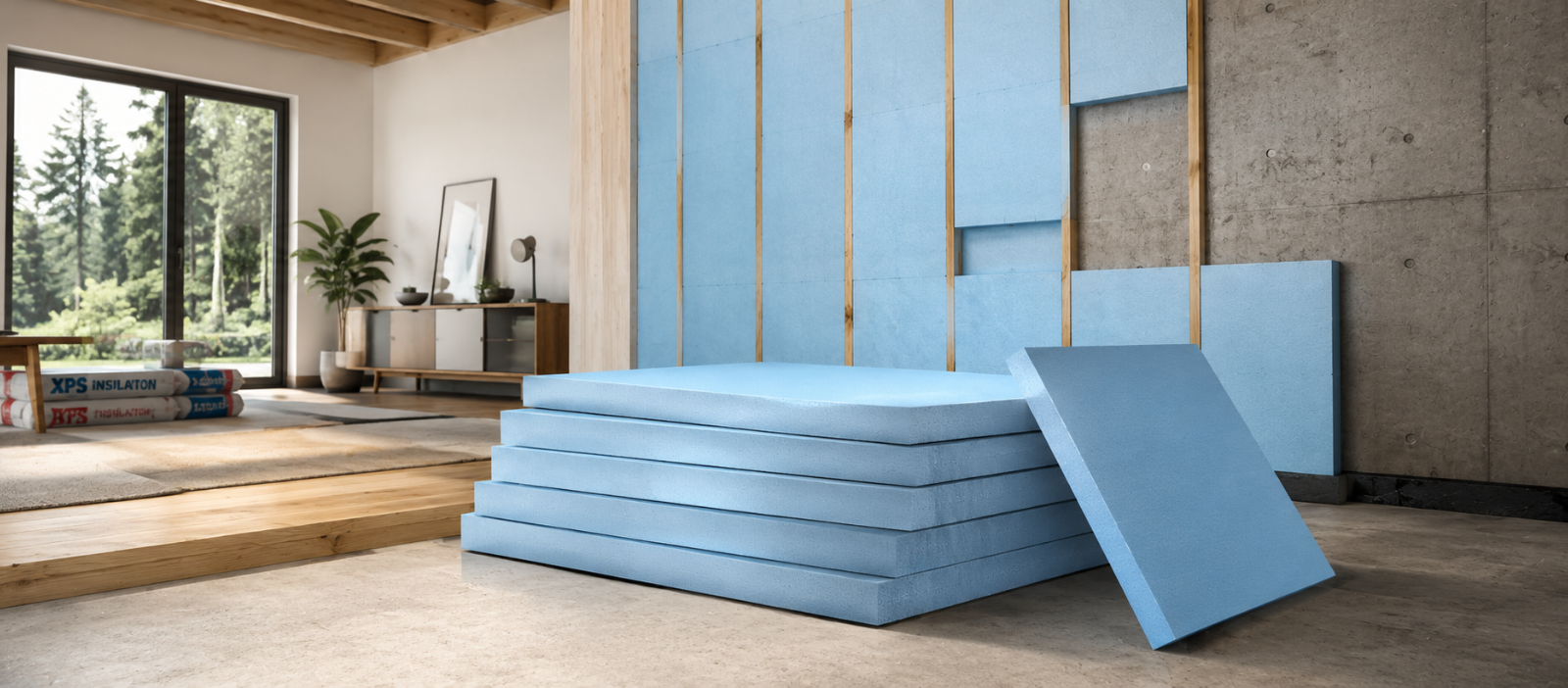
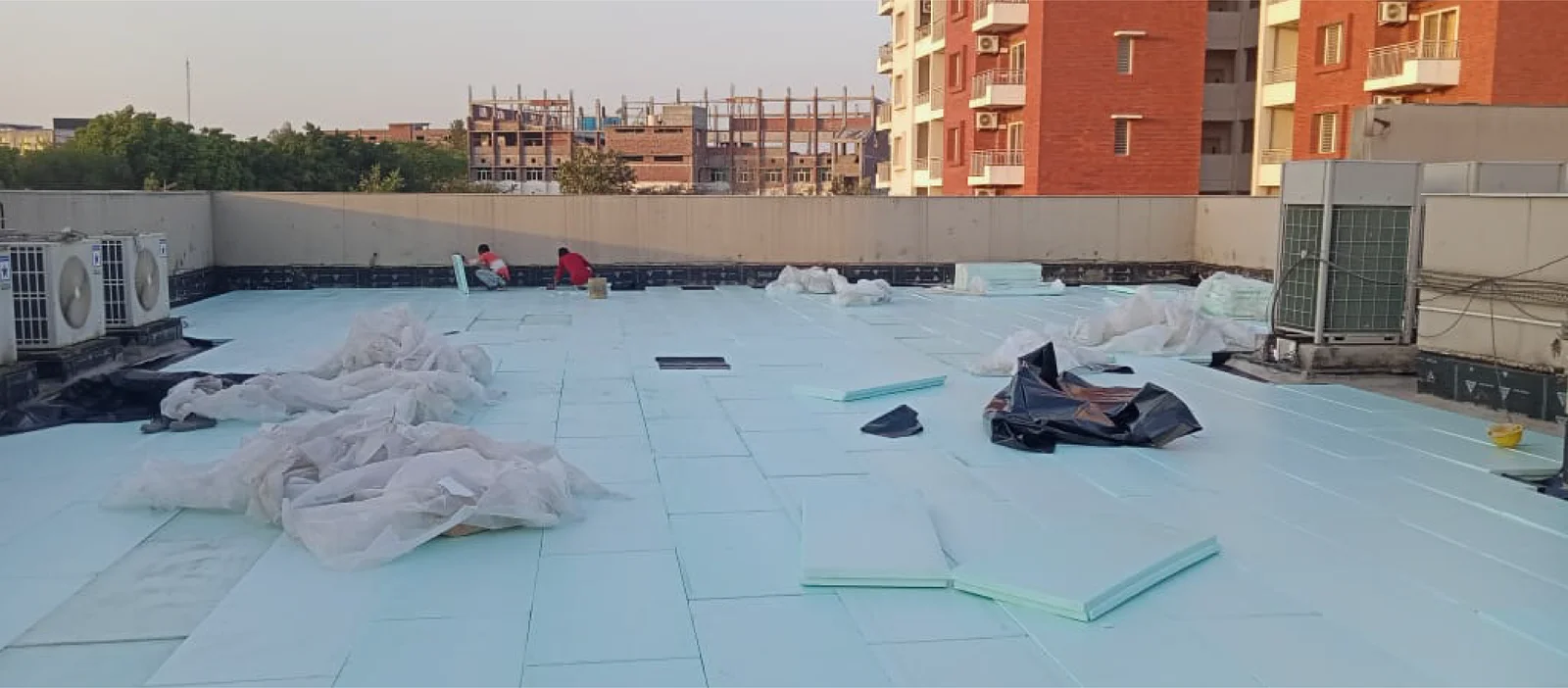
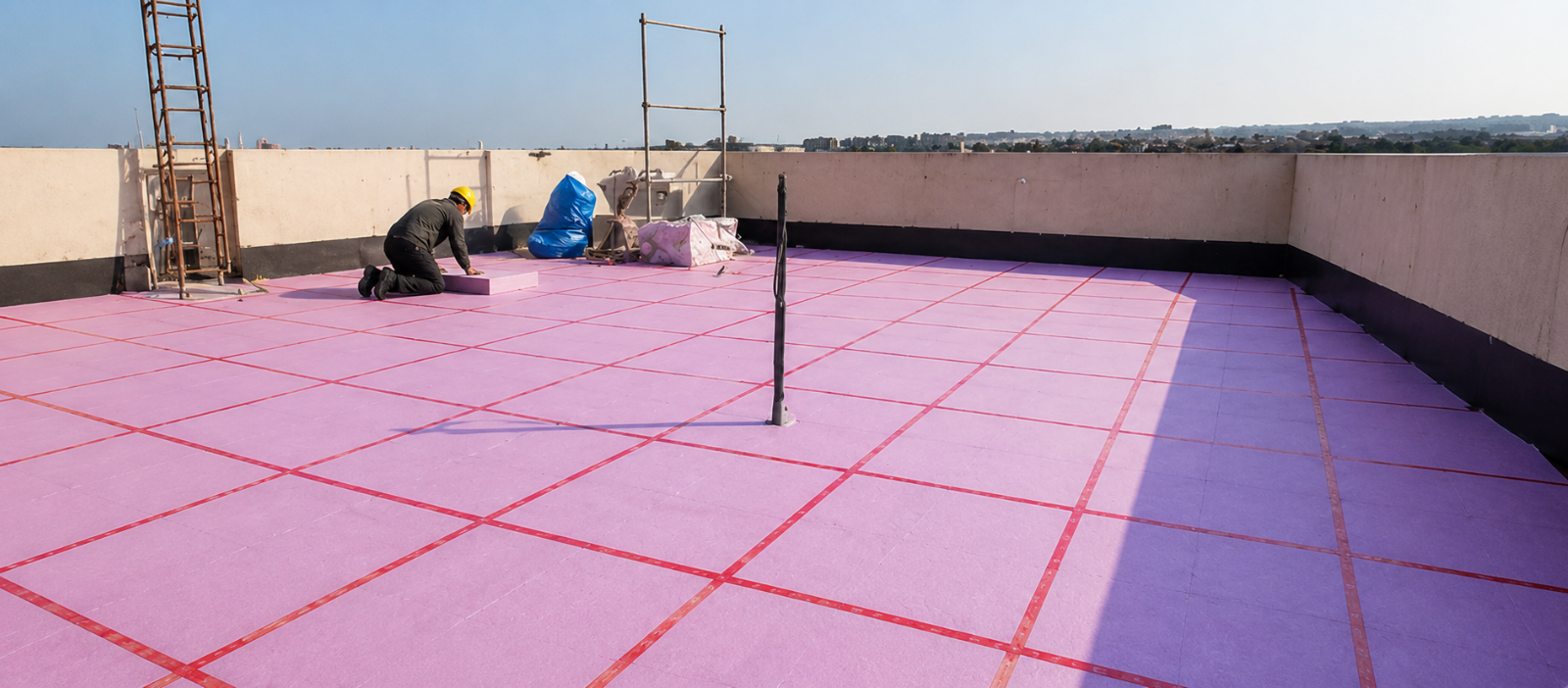
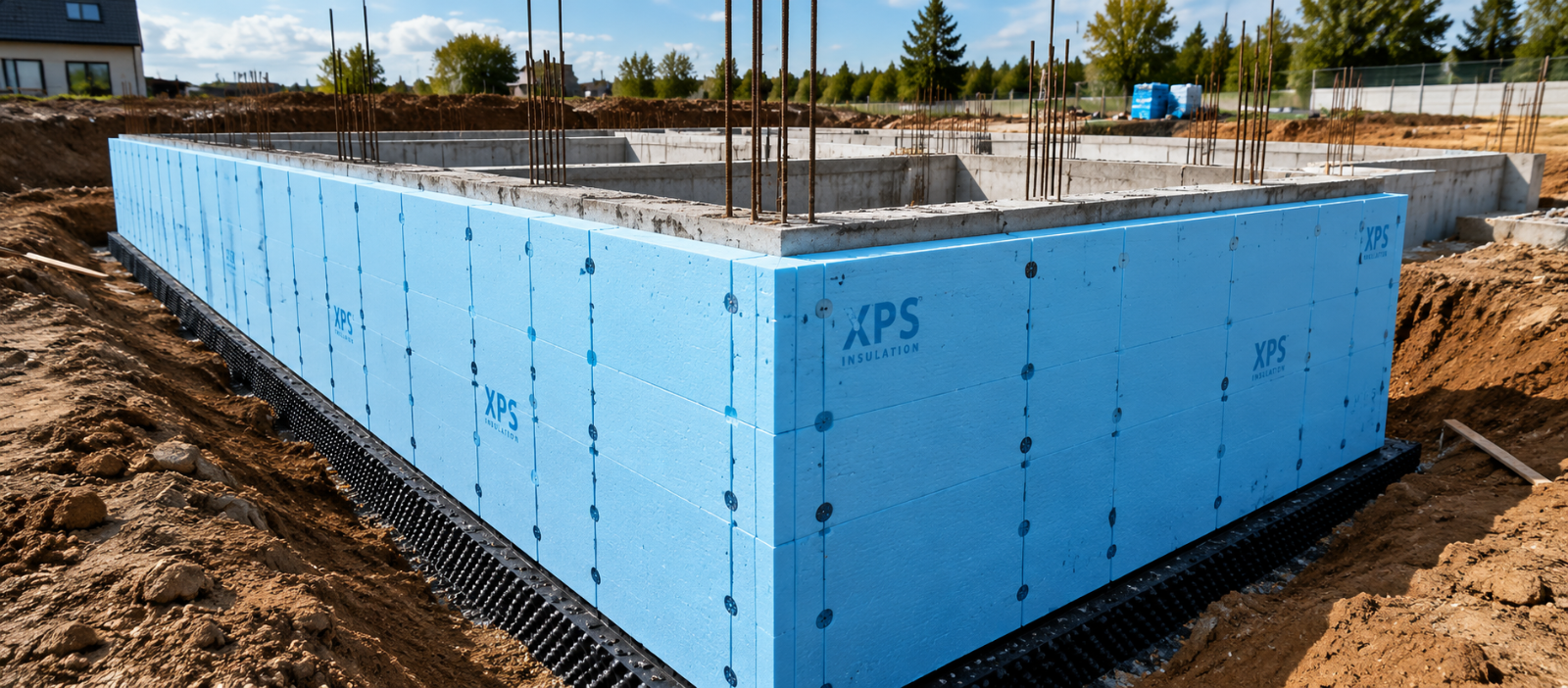
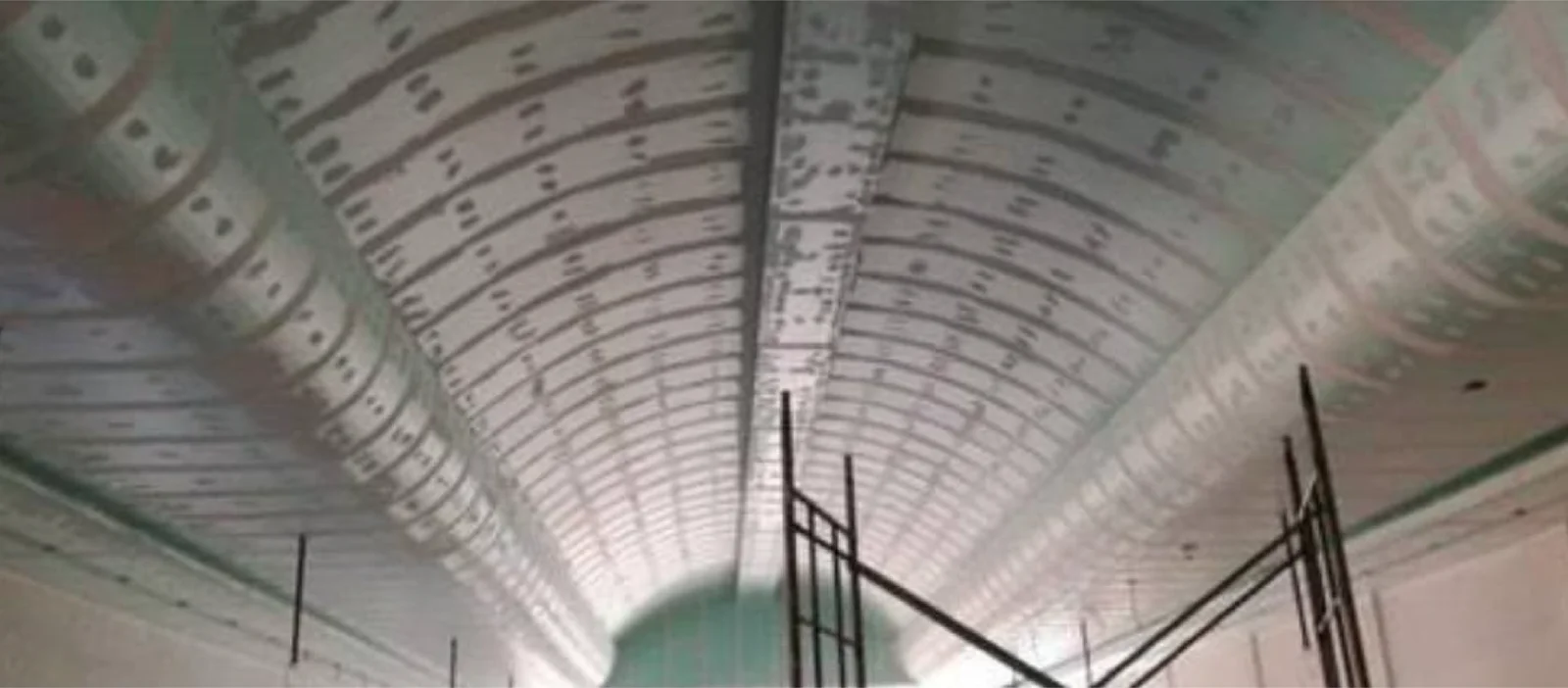
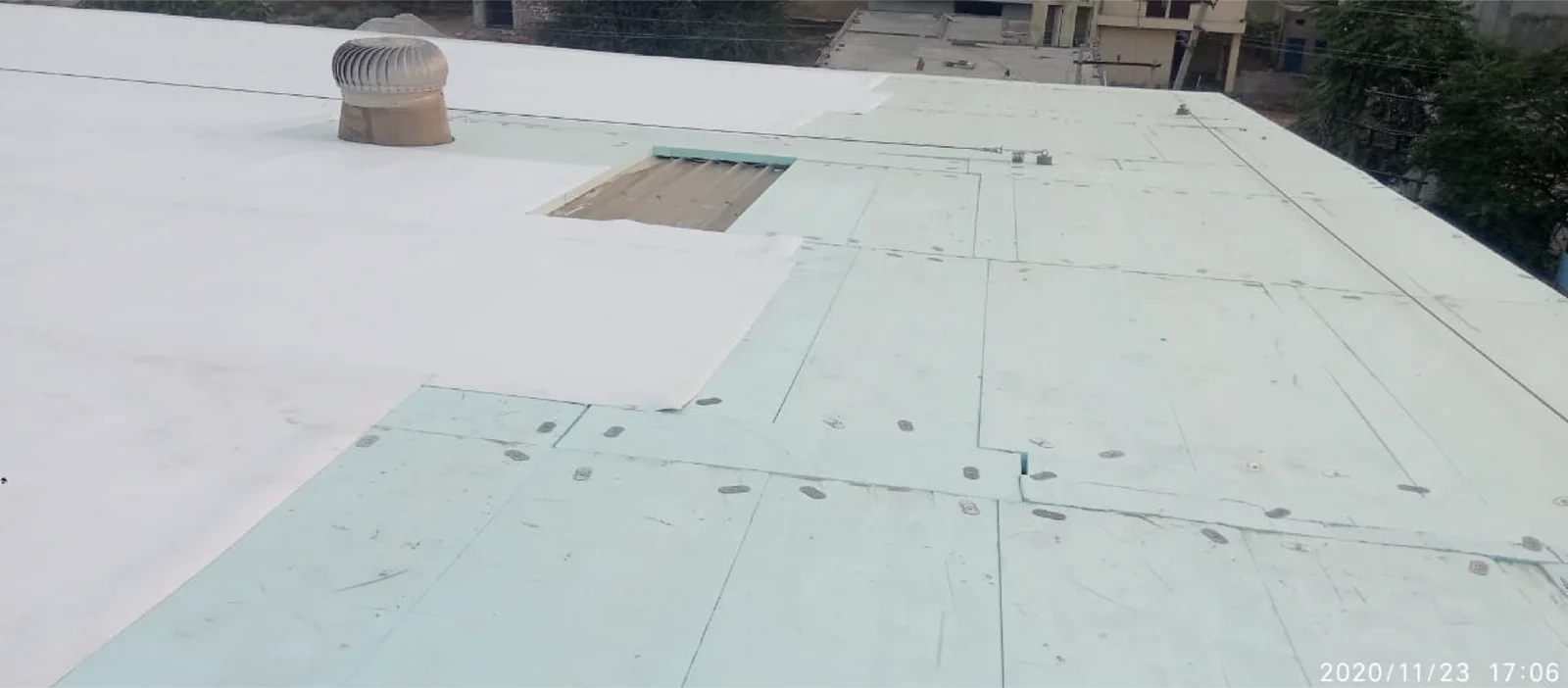
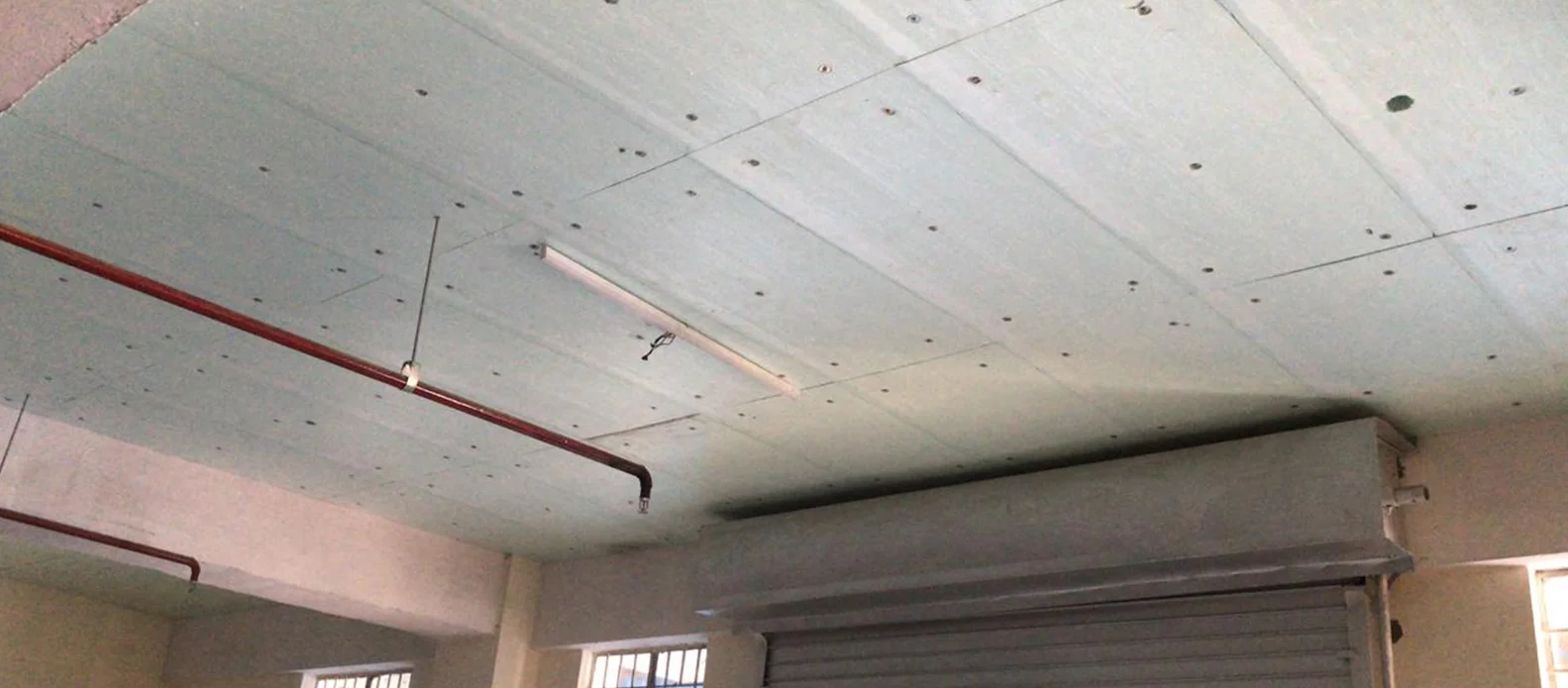
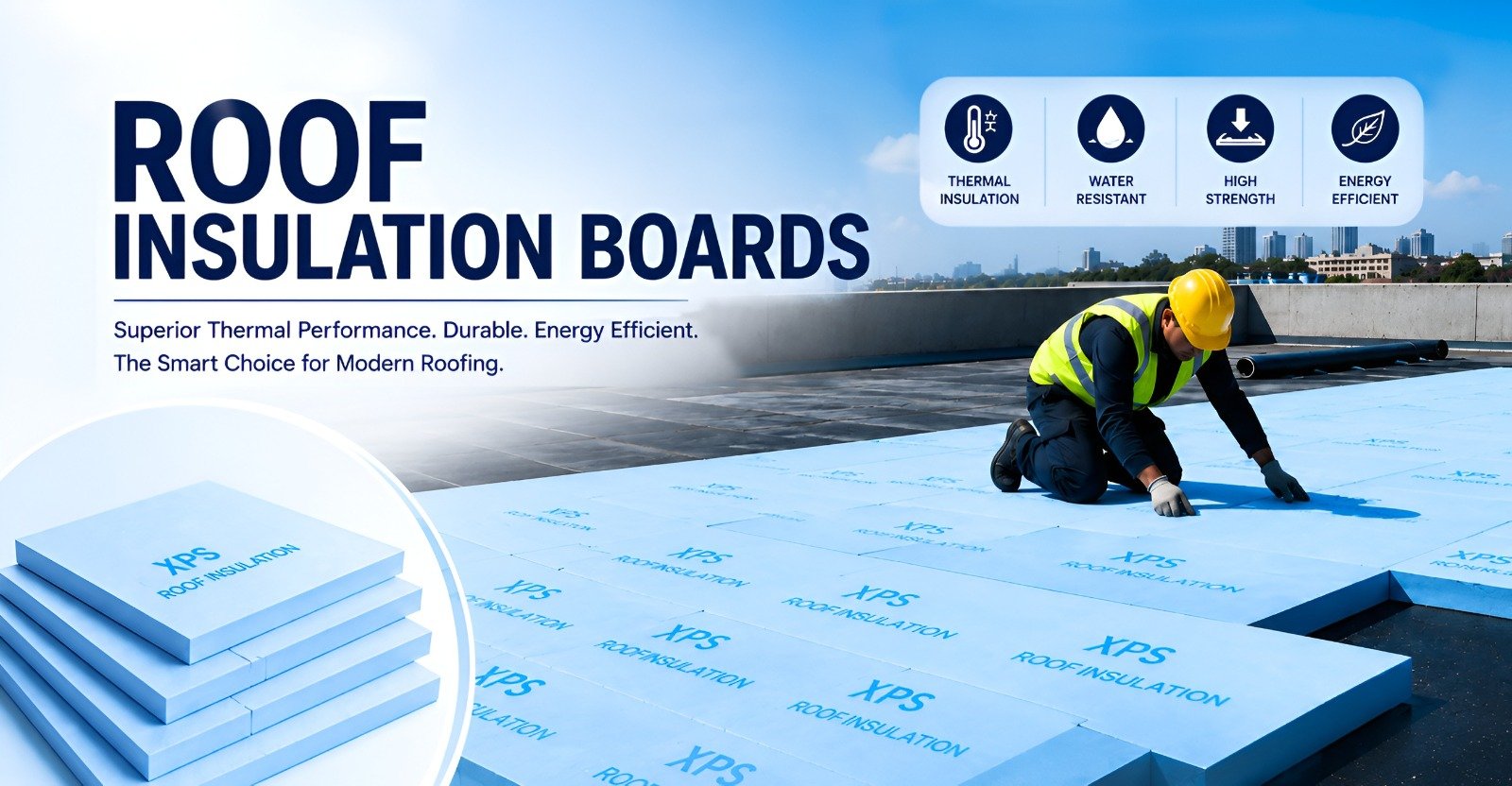
The straight forward installation of roof insulation boards was previously mentioned in the opening of this article. A flat roof, for example, would benefit greatly from this method of insulation. The XPS boards insulation in uttarakhand should not be put in a thick layer to insulate properly. This saves space.
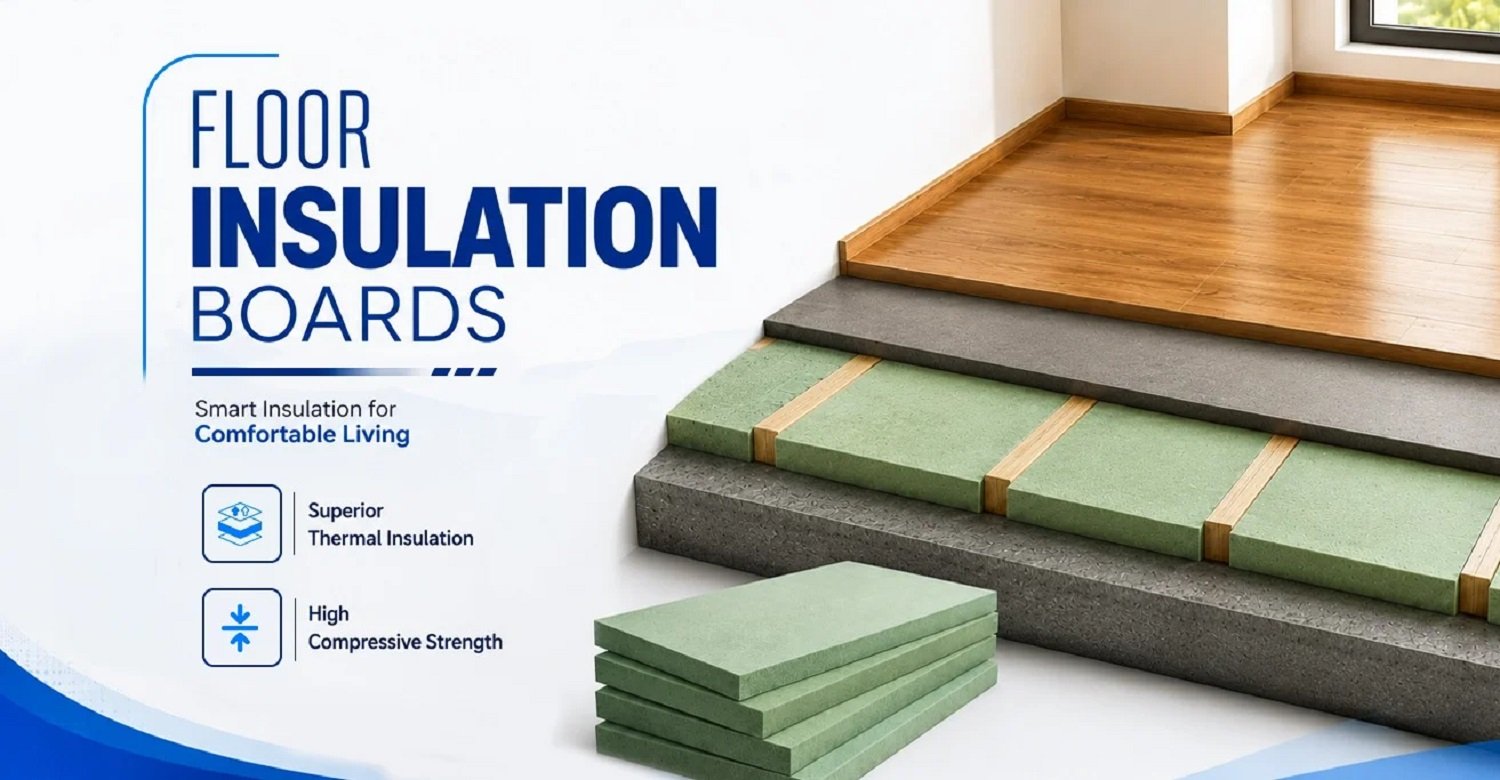
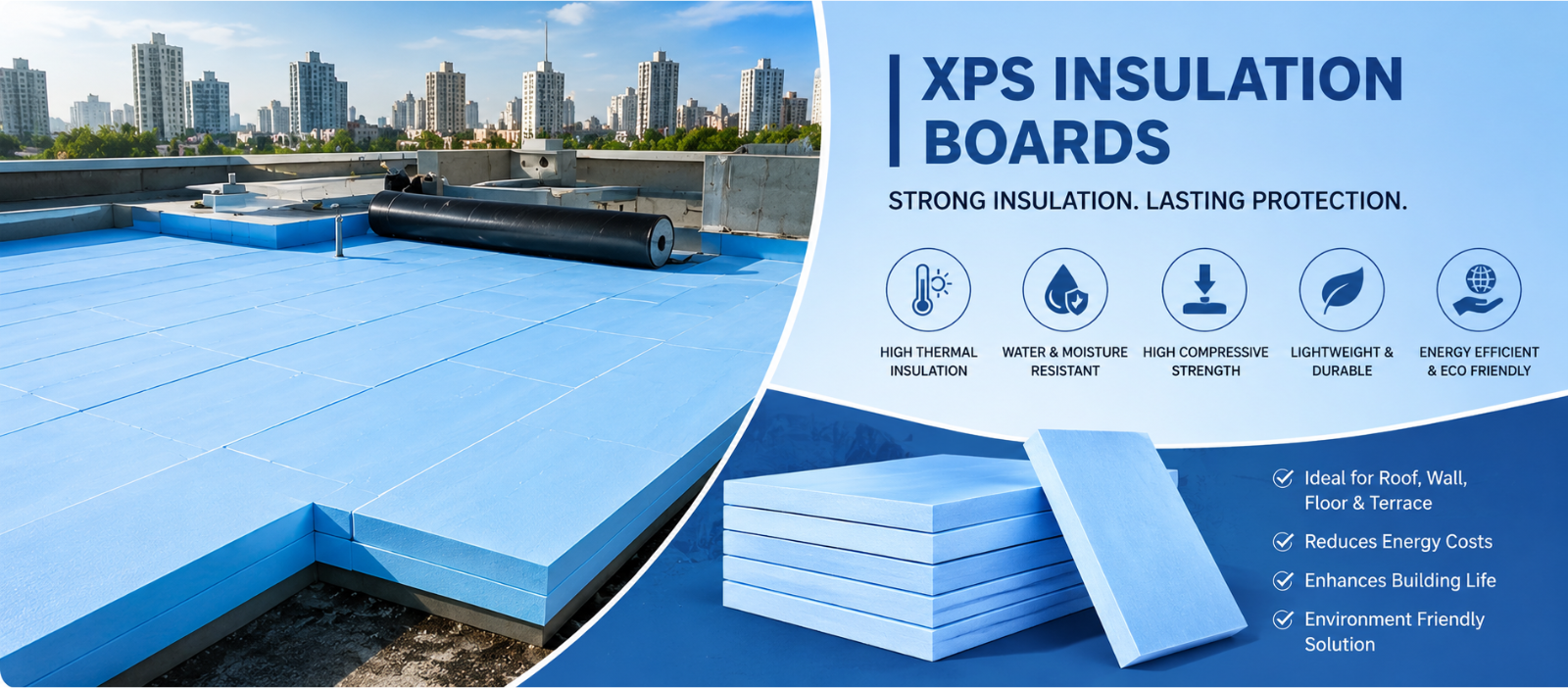
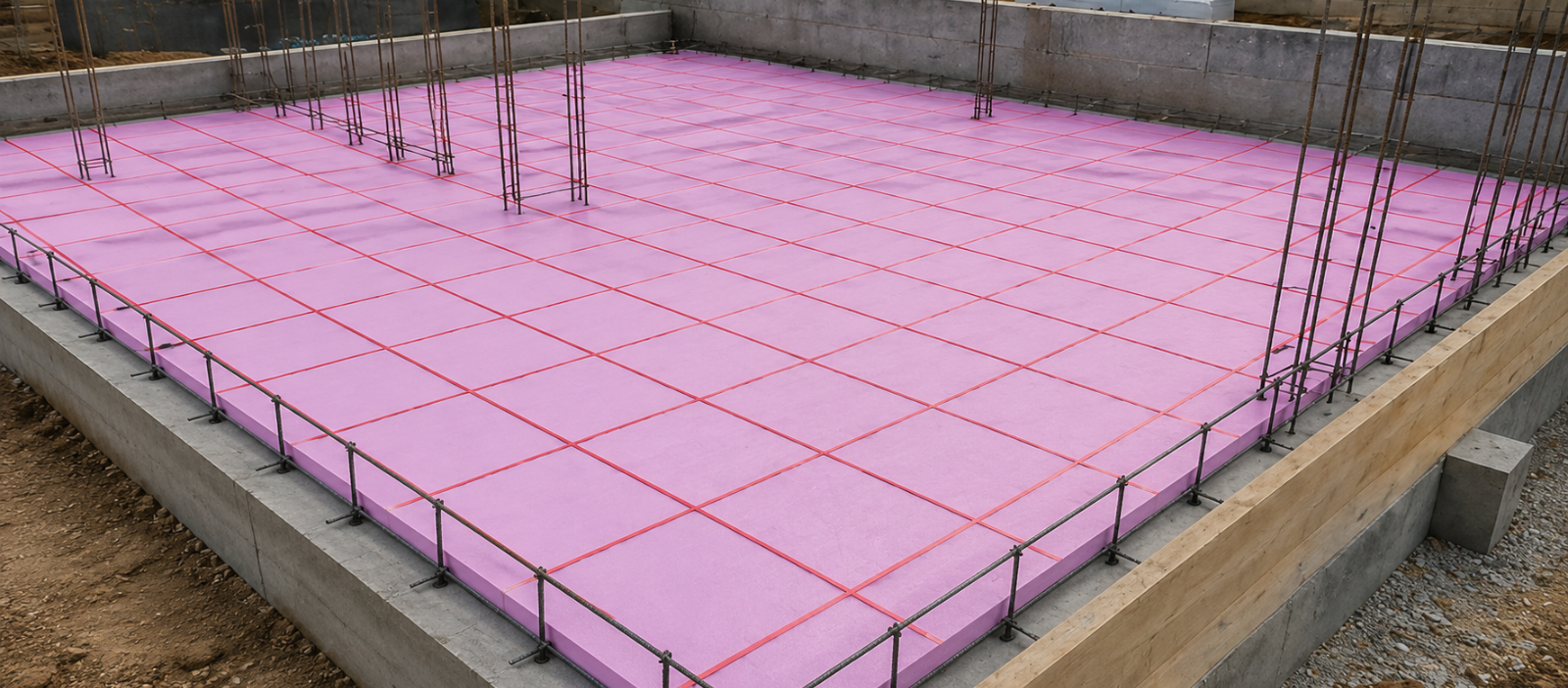
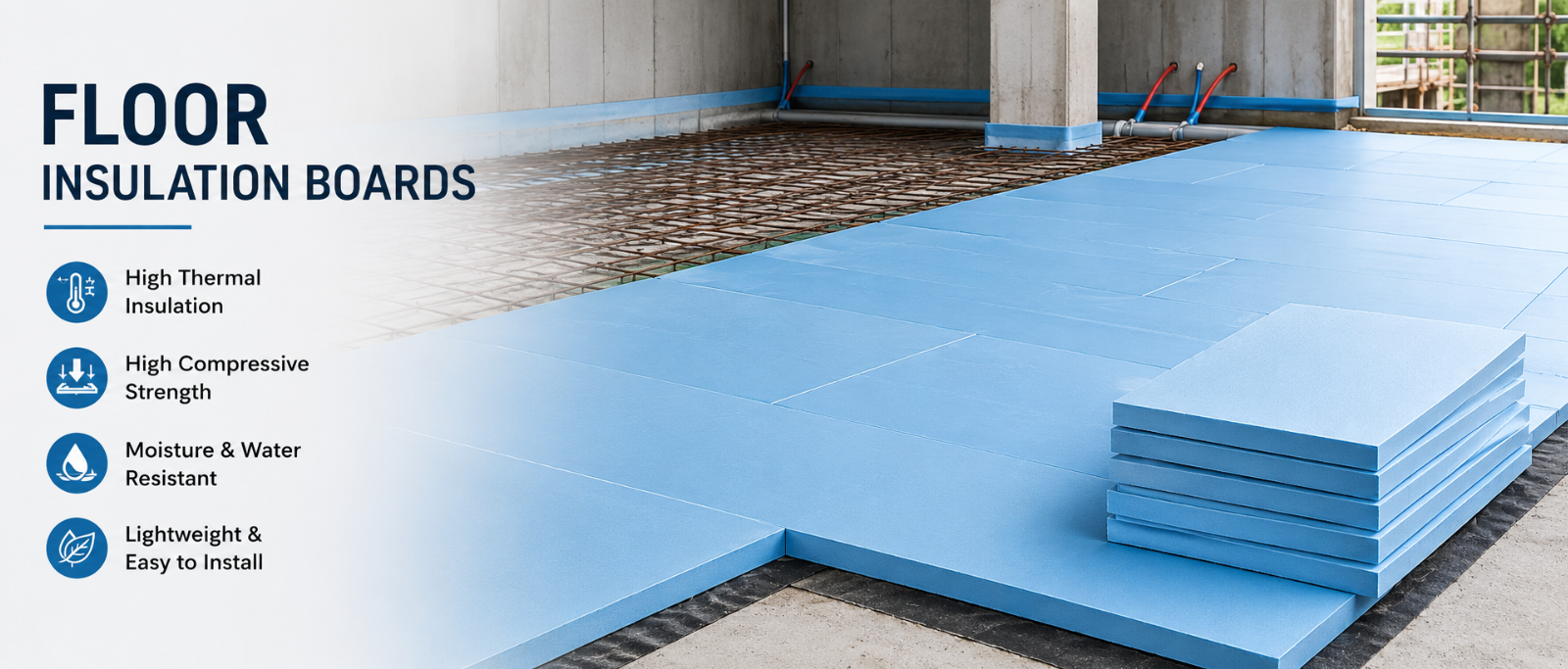
Floor finish quality is of prime importance in hot conditions with the soil temperature reaching very high levels. Air conditioned buildings lose less heat through the floor and are glazed well insulated floors. The excellent compressive strength, high resistance to water absorption and water vapor penetration, and low thermal conductivity of the extruded polystyrene boards are increasingly used.
Insulating your house's floors could prove to be the more difficult of the lot. Your third priority should be underground (under a building) or 'ground level'(behind walls and roofs) as it is typically warmer than the outside air. Consider retrofitting if you have a suspended timber floor.
Roof thermal board not only provides excellent thermal insulation, but they are also soundproof. If you have a flat roof that is walked on a lot, this is a great feature to have. Or, if you frequently utilize the attic space as a bedroom or living area, the soundproofing provided by these boards will come in handy. You won't be bothered by the noises of the outside world. Plastic insulation material has a greater vapor density as well. This means that the insulating material will not allow vapor to condense. If you live in uttarakhand you can also get the services from Roof Insulation board suppliers and distributors in uttarakhand
Different Types of Roof Insulation Boards
You have additional alternatives to insulate your facility's roof as a client because traditional membrane roofing does not contain the insulation element. The property manager or owner has a few other options to select from when it comes to insulation:
- Polyisocyanurate (PIC) (Polyiso)
- Polystyrene extrusion (XPS)
- Expansion-resistant Polystyrene (EPS)
roof insulation boards is a must, too, to keep the weather and water out, but also to keep your warm and cold air in.
Roof Insulation Types
Polyisocyanurate
Polyiso is closed-cell foam manufactured by heating chemicals and synthetic materials into a composite substance that cools into rigid-foam panels. Polyiso is the most often utilized insulation type for roofing applications. Closed-cell foam refers to foam with all of its cells sealed off from one other and from the air.
For a 1" thick polyiso panel, the average cost is $0.70/sq ft. When installed, the R-Value is R-8, which gradually decreases to R-5.5 over time (Cold-Weather Performance of Polyisocyanurate).
Extruded Polystyrene (XPS)
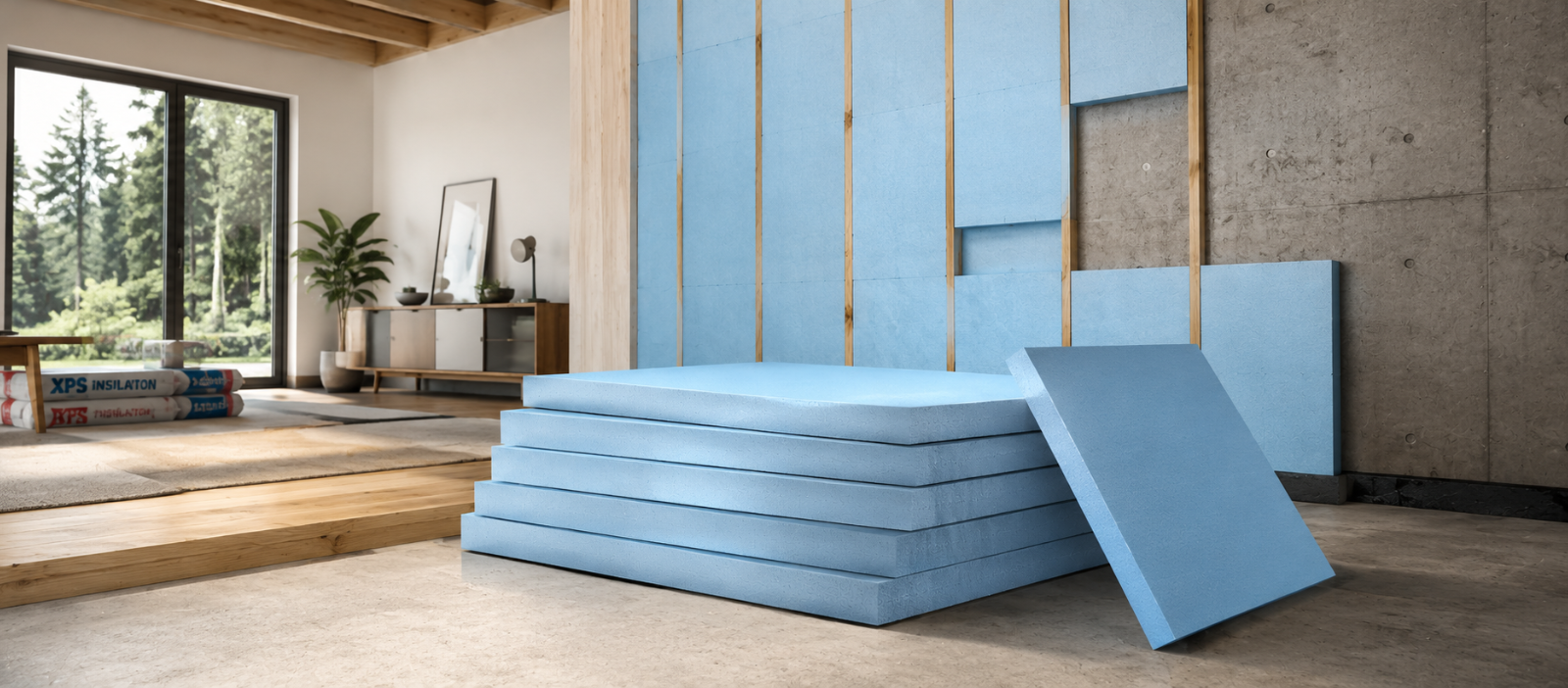
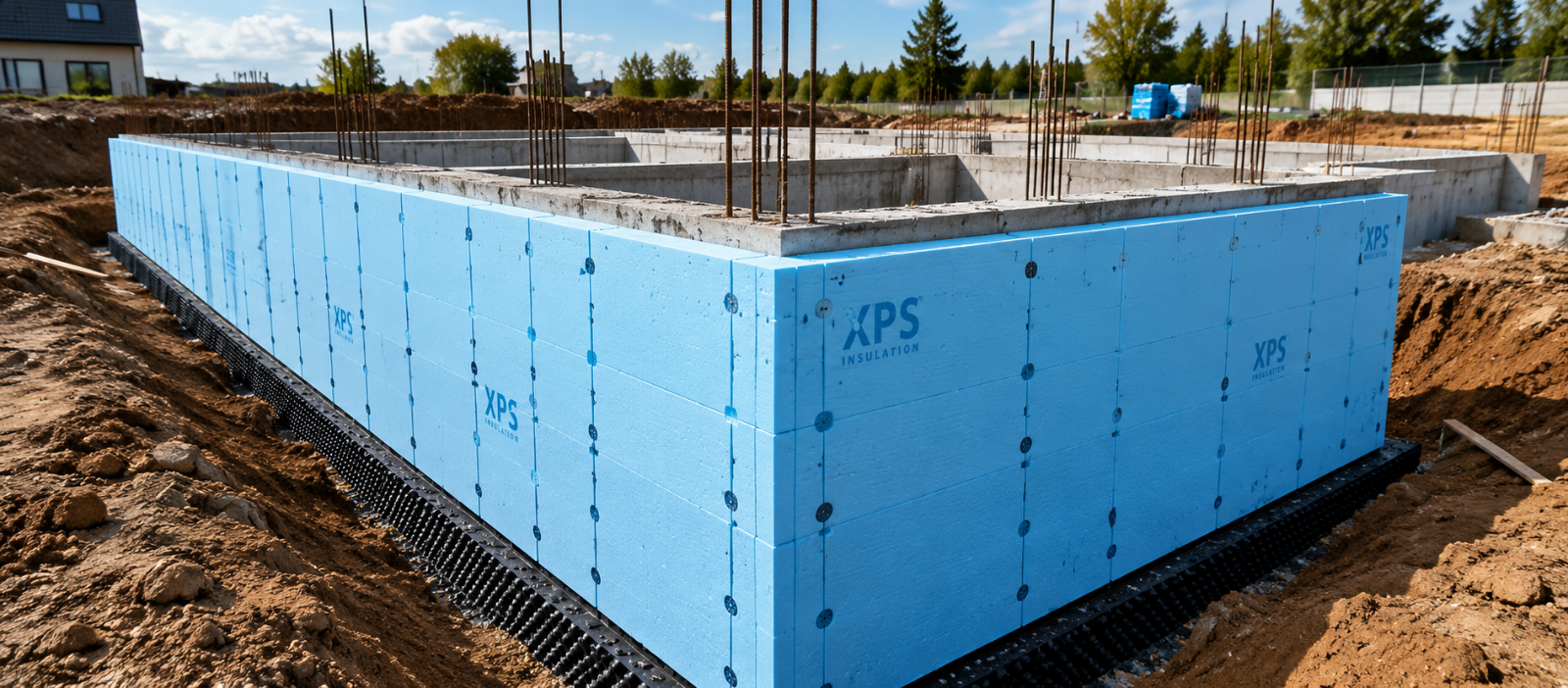
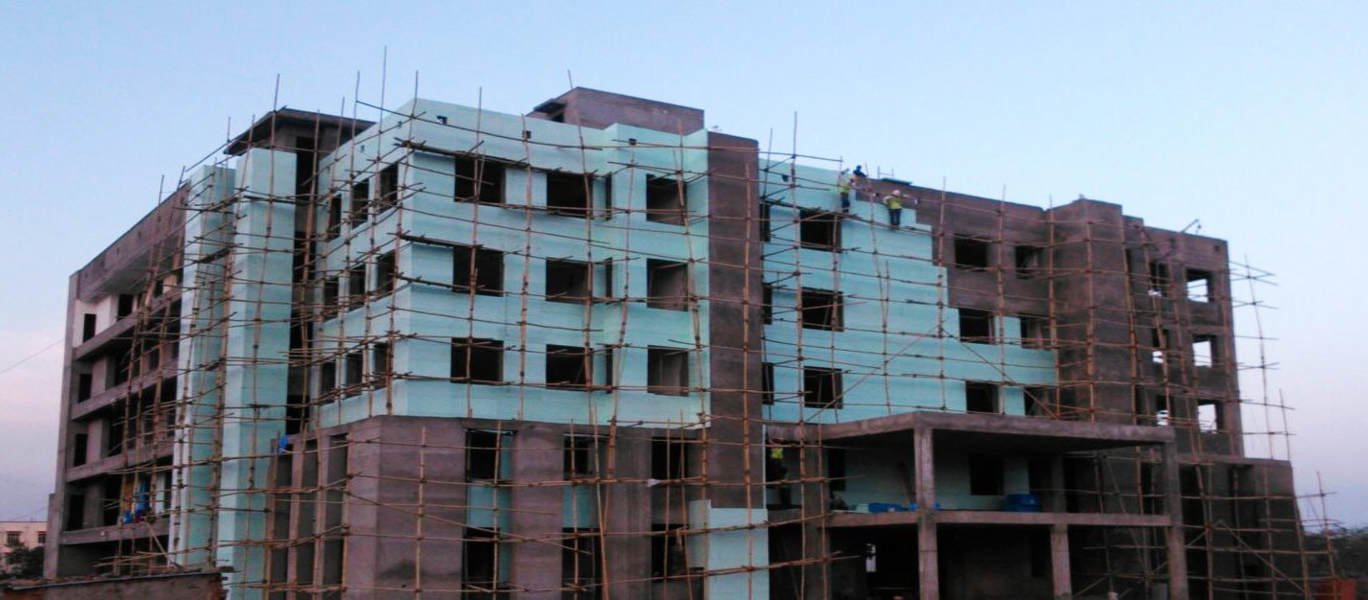
XPS, which may be identified by its blue, green, or pink hue, is a mid-priced alternative to Polyiso and EPS. Extruded polystyrene is made by heating and extruding a polystyrene polymer mix. XPS has a perm rating of 1, making it semi-permeable. On average, extruded polystyrene insulation costs around $0.42/sq ft for a 1 in a thick panel. An R-Value of 5 is considered to be the norm.
Expanded Polystyrene (EPS)
EPS is the most cost-effective insulator for roofs, walls, and floors because of its high R-value per dollar. There are no long-term water retention issues with EPS, which may be utilized in ground contact.
Formed by the incorporation into the plastic polystyrene of foaming agent, the foam is known as expanded polystyrene. After being heated, the material expands and forms a homogeneous insulation substance. EPS, commonly known as bead board, is utilized to produce coffee cups and other items. You can avail roof Insulation board suppliers and distributors in Uttarakhand.